


What is Leveling? The process of calculating the height of one level in relation to another is known as levelling. It is used in surveying to determine a point’s elevation relative to a datum ...

Expert Civil Latest Articles
Rise and fall method with Examples
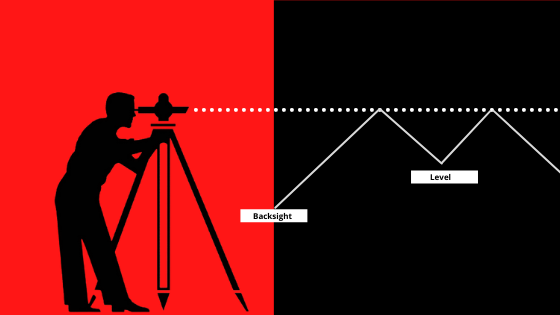
Rise and fall is the method of surveying to solve the levelling to find out the difference in elevation and elevation of two points. In this method Like we need to calculate the difference in eleva ...
Road Studs – Its Types, Applications, Advantages & Disadvantages

What are Road Studs? The longitudinal/transverse reflectorized road markings were added with retro-reflective studs to improve visibility at night as well as in inclement weather. They are also pla ...
Equivalent & Effective Length of Column for Various End Conditions
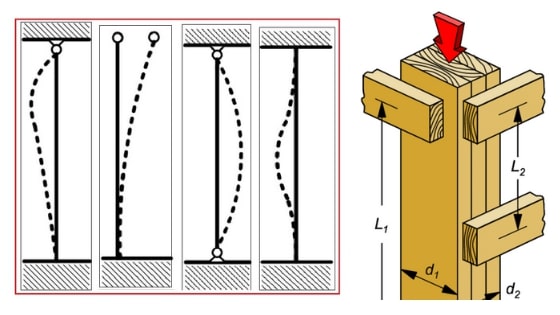
What is Effective length of column? The column is the vertical compression member of the structure. The column is used to transfer the load of the superstructure to the substructure or foundation s ...
Silt Content Test for Sand

What is a Silt Content Test for Sand? The test is performed to determine the percentage of the silt present in the sand is known as the Silt content test. Silt is a fine material whose size is less ...
Floor Space Index and Floor Area Ratio – Importance, Calculation & Differences
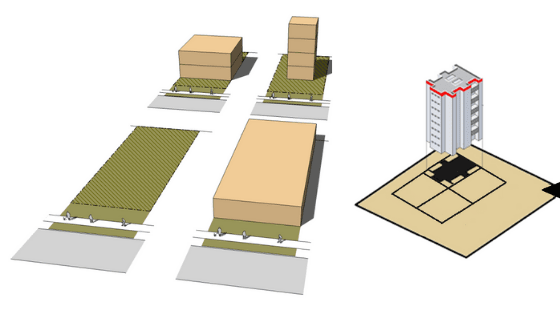
What is FSI? The Full form of FSI is Floor Space Index and It is also known as FAR (Floor Area Ratio). Floor Space Index is the maximum built area of the total plot area of land. FSI is the ratio o ...
What is Stub Column | Its Purposes | Advantages | Disadvantages and Stub Column vs Floating Column

What is Stub Column? A stub column is a type of column whose length is short and baseless which means do not have a foundation and footing as its rests on a beam or slab. It acts as a point load on ...